How Skin Pigmentation Develops Over Time and as We Age
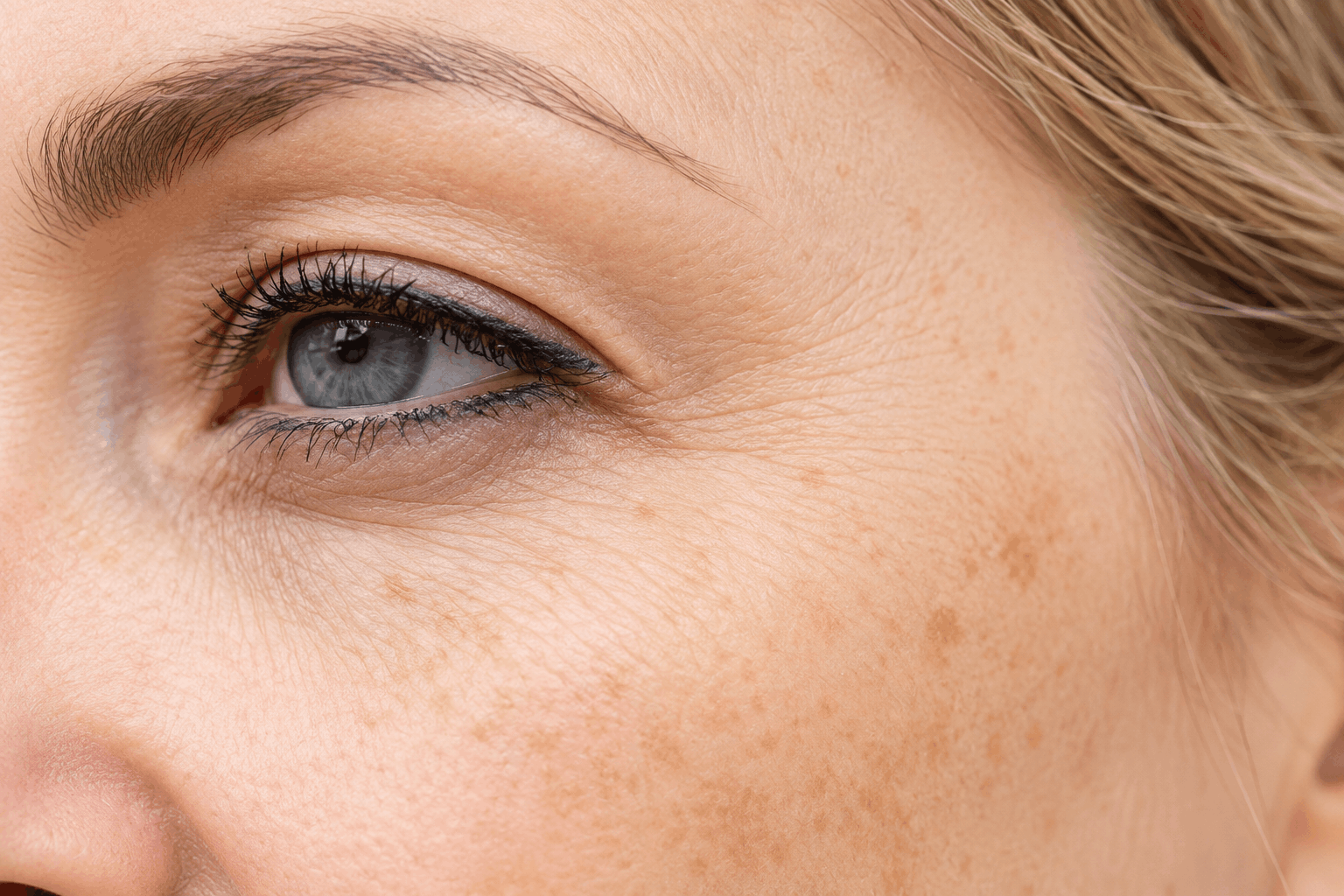
Have you ever looked at your skin at the end of summer and wondered where those new brown spots came from?
Maybe a few freckles look darker than they did in the spring. Maybe you’re noticing areas of uneven tone that weren’t as obvious before. Or perhaps you’re seeing more spots appear as you get older, even though you’re much better about wearing sunscreen now.
There’s a reason for that.
At Rytualist Aesthetic Bar in Portland, ME, we want you to understand what’s happening in your skin before we talk about treating it. Skin pigmentation is influenced by melanin production, UV exposure, aging, and years of accumulated sun exposure.
And here’s something many of our clients don’t realize: what shows up on your skin today may actually be the result of sun exposure that happened weeks, months, or even years ago.
Let’s walk through why that happens and how treatments like IPL for pigmentation can help us address certain types of unwanted pigment.
What Causes Pigment to Develop in Your Skin?
To understand pigmentation, we first need to talk about melanin.
Your skin contains specialized cells called melanocytes. These cells produce melanin, the pigment responsible for much of the natural color in your skin.
Melanin also serves an important purpose: it helps protect your skin cells from ultraviolet radiation.
When you’re exposed to sunlight, your skin recognizes that UV exposure and responds by telling melanocytes to produce more melanin. That increase in pigment is part of your skin’s natural defense response, and it’s also why your skin tans after time in the sun.
The challenge comes when melanin isn’t produced or distributed evenly. Repeated UV exposure can cause pigment to become concentrated in certain areas instead of remaining uniform across your skin.
Over time, those concentrated areas of skin pigmentation may become visible as freckles, brown spots, or other forms of discoloration.
Why Does Skin Pigmentation Change as We Age?
One reason pigmentation becomes more noticeable with age is simple: your skin has had more years of sun exposure.
Think about all the sunlight your skin has experienced throughout your life, beach days, outdoor sports, gardening, vacations, driving, walking around town, and even incidental exposure through windows. All of it contributes to cumulative UV damage.
As we age, that history begins to show.
Years of UV exposure can cause melanocytes to behave less consistently. Instead of distributing pigment evenly, certain areas may begin producing or retaining more melanin. That’s one reason age spots often become more noticeable as we get older.
And despite the name, age isn’t the only factor involved. Many of the spots we associate with aging are closely connected to cumulative sun damage.
So if you’re seeing more pigmentation in your 40s, 50s, or 60s, some of what you’re noticing may reflect UV exposure that accumulated years earlier.
How Does the Sun Affect Pigmentation?
The relationship between sunlight and pigmentation starts with UV radiation.
When UV rays reach your skin, they stimulate melanocytes, the cells responsible for producing pigment—to create additional melanin as a protective response. While a little sun exposure may not cause an obvious brown spot right away, UV damage can accumulate over time.
In fact, research suggests that UV exposure may account for up to 80% of the visible signs of skin aging, including dryness, scaling, wrinkling, and changes in pigmentation. This cumulative damage is known as photoaging, and pigmentation changes are often one of its most noticeable signs.
As your skin is repeatedly exposed to UV radiation, melanin production can become uneven, causing excess pigment to accumulate in certain areas. Over time, you may begin noticing:
- Freckles becoming darker
- New brown spots
- Uneven skin tone
- Areas of concentrated pigmentation
- More visible age spots
- Other signs of sun damage
These visible changes can tell us something about your history of sun exposure, too. Research has found associations between certain signs of photoaging and melanoma risk. For example, one study found that people with early wrinkling on the neck had more than four times the melanoma risk observed in the comparison population, while freckling on the back was associated with more than three times the risk.
That doesn’t mean that having freckles, pigmentation, or wrinkles means you have, or will develop, skin cancer. Rather, both photoaging and melanoma risk are associated with cumulative UV exposure, which is one reason protecting your skin from the sun matters beyond cosmetic concerns.
UV-related skin damage can also begin much earlier than the pigmentation or other visible signs appear. Research indicates that excessive UV exposure during childhood and adolescence can contribute to melanoma risk later in life, reinforcing the importance of sun protection from an early age.
This is why we talk so much about daily sun protection with our clients.
Sunscreen isn’t only about preventing a sunburn today or keeping pigmentation from becoming darker. Consistent UV protection helps reduce the cumulative damage that can contribute to uneven pigmentation, premature skin aging, and increased skin cancer risk over time.
Why Does Pigment Show Up After a Summer in the Sun?
This is where pigmentation gets particularly interesting.
You may spend June, July, and August outside without noticing dramatic changes. Then summer ends, you look closely at your skin, and suddenly those brown spots seem much more obvious.
Why?
Because the effects of UV exposure don’t always become visible immediately.
Sunlight can stimulate increased melanin production beneath the visible surface of your skin. As your skin naturally renews itself, pigment-containing cells gradually move toward the surface, and that process takes time.
This means some of the skin pigmentation you notice toward the end of summer may be connected to UV exposure from weeks earlier.
It’s one reason fall can feel like a “reveal” for sun damage. After months of outdoor activities, beach days, vacations, and longer daylight hours, you may suddenly notice freckles becoming darker or brown spots that weren’t nearly as noticeable before summer.
Not Every Brown Spot Is the Same
Before deciding how to treat pigmentation, we need to understand what we’re looking at.
There are several different reasons you may develop areas of discoloration, and not every type of pigmentation should be treated the same way.
Examples can include:
- Sun spots
- Freckles
- Age spots
- Post-inflammatory hyperpigmentation
- Melasma
- Other forms of uneven pigmentation
This distinction matters, because a treatment that’s appropriate for one type of pigmentation may not be the best choice for another.
That’s why we don’t want you to look at a brown spot and automatically assume you need IPL.
When you come to Rytualist Aesthetic Bar, we’ll take a closer look at your skin, talk with you about your history and sun exposure, and help you understand which treatment options may be appropriate.
Our goal is always to create a plan for your skin, rather than taking a one-size-fits-all approach.
How Does IPL for Pigmentation Work?
Once we’ve determined that IPL is appropriate for your pigmentation, we can use light energy to target excess melanin.
IPL stands for Intense Pulsed Light.
You may sometimes hear IPL casually described as a laser, but the technology is different. Lasers generally deliver a single, specific wavelength of light, while IPL uses a broader spectrum of light wavelengths that can be filtered and adjusted for different concerns.
When we’re using IPL for pigmentation, the goal is to target excess melanin while minimizing the effect on surrounding tissue.
Here’s how the process works.
Step 1: IPL Delivers Controlled Light Energy
During treatment, the IPL device sends controlled pulses of light into the skin. Different structures in the skin absorb different wavelengths of light, and when we’re treating pigmentation, melanin is our target.
Step 2: The Pigment Absorbs the Light
Dark, concentrated melanin absorbs the IPL energy more readily than the surrounding skin. This allows us to selectively target areas of unwanted pigment.
Step 3: The Light Converts to Heat
When the excess melanin absorbs the light energy, that energy converts into controlled heat. The heat disrupts the concentrated pigment, breaking it into smaller fragments.
Step 4: Your Body Begins Clearing the Pigment
Once that pigment has been disrupted, your body gradually processes and clears the treated material. This doesn’t happen instantly. Over the following days and weeks, treated pigmentation may gradually fade as your skin continues its natural renewal process.
That’s the basic science behind IPL for pigmentation, using carefully controlled light energy to target the excess melanin responsible for certain visible brown spots.
The goal isn’t simply to treat a brown spot, it’s to understand the pigment and target it appropriately.
Why Can Pigment Look Darker After IPL?
If you have an IPL treatment and notice that some of your spots initially look darker, don’t automatically assume something went wrong.
Certain treated areas of pigmentation can temporarily darken as they respond to the light energy. Over time, those areas may begin to fade or flake as the targeted pigment is naturally processed.
We’ll explain what you can expect before your treatment, so you’re not surprised by changes afterward. We’ll also walk you through aftercare and let you know what’s normal during the healing process.
We want you to feel informed before, during, and after your treatment.
What About Preventing New Pigmentation?
Treating existing pigmentation is only part of the conversation. We also want to help you protect your skin moving forward.
IPL can target certain existing areas of excess pigment, but it can’t stop future UV exposure from stimulating your melanocytes again. That’s why sun protection remains incredibly important after treatment.
We recommend making broad-spectrum sunscreen part of your daily routine, even when you’re not heading to the beach. Hats, shade, and being mindful of prolonged direct sunlight can also help reduce additional UV exposure.
Think of it this way: treatment helps us address some of the sun damage that’s already visible, while consistent sun protection helps reduce the opportunity for new damage to develop. Both matter if your goal is clearer, more even-looking skin over time.
Healthy looking skin is a long-term commitment: treat, protect, maintain.
Ready to Talk About Your Pigmentation?
If summer has left you noticing new brown spots, darker freckles, uneven pigmentation, or other signs of sun damage, we’d love to take a closer look.
Schedule a consultation with us at Rytualist Aesthetic Bar in Portland, ME. We’ll evaluate your skin, talk about your concerns, and help determine whether IPL for pigmentation or another personalized treatment may be right for you.
Let’s work together to understand what’s happening in your skin and create a treatment plan that helps you feel confident in it.